# Internal Devices

## {{@273#bkmrk-tiger-city-imx-embed}}

- [{{@166#bkmrk-internal-expansion-c}}](https://doc.redisage.com/link/166#bkmrk-internal-expansion-c)
- [{{@166#bkmrk-watchdog-%2B-reset}}](https://doc.redisage.com/link/166#bkmrk-watchdog-%2B-reset)
- [{{@166#bkmrk-eeprom%E2%80%8E%E2%80%8E}}](https://doc.redisage.com/link/166#bkmrk-eeprom%E2%80%8E%E2%80%8E)
- [{{@166#bkmrk-flash}}](https://doc.redisage.com/link/166#bkmrk-flash)
- [{{@166#bkmrk-rtc}}](https://doc.redisage.com/link/166#bkmrk-rtc)
- [{{@166#bkmrk-esp32-microcontrolle}}](https://doc.redisage.com/link/166#bkmrk-esp32-microcontrolle)
- [{{@166#bkmrk-tpm-2.0}}](https://doc.redisage.com/link/166#bkmrk-tpm-2.0)
- [{{@166#bkmrk-secure-element-to136}}](https://doc.redisage.com/link/166#bkmrk-secure-element-to136)
- [{{@166#bkmrk-buzzer}}](https://doc.redisage.com/link/166#bkmrk-buzzer)

### Internal expansion connector

Part number: **FH1234-221CWG0MUT01**

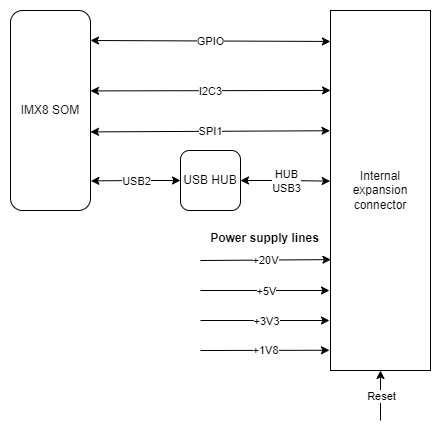
#### Internal expansion connector connections diagram

<div drawio-diagram="1053"><img src="https://doc.redisage.com/uploads/images/drawio/2024-07/drawing-22-1721307379.png" alt=""/></div>

#### Internal expansion connector connections table  


<table border="1" id="bkmrk-connector-pin-descri-1" style="border-collapse: collapse; width: 100%; height: 1946.48px;"><colgroup><col style="width: 50.0618%;"></col><col style="width: 50.0618%;"></col></colgroup><thead><tr style="height: 35.3906px;"><td aria-sort="Brak" class="ak-renderer-tableHeader-sortable-column__wrapper align-center" style="height: 35.3906px;">**Connector pin**

</td><td aria-sort="Brak" class="ak-renderer-tableHeader-sortable-column__wrapper align-center" style="height: 35.3906px;">**Description**

</td></tr></thead><tbody><tr style="height: 35.3906px;"><td style="height: 35.3906px;">1

</td><td style="height: 35.3906px;">GND

</td></tr><tr style="height: 35.3906px;"><td style="height: 35.3906px;">2

</td><td style="height: 35.3906px;">VIN

</td></tr><tr style="height: 35.3906px;"><td style="height: 35.3906px;">3

</td><td style="height: 35.3906px;">GND

</td></tr><tr style="height: 35.3906px;"><td style="height: 35.3906px;">4

</td><td style="height: 35.3906px;">SPI1 MOSI

</td></tr><tr style="height: 35.3906px;"><td style="height: 35.3906px;">5

</td><td style="height: 35.3906px;">GND

</td></tr><tr style="height: 35.3906px;"><td style="height: 35.3906px;">6

</td><td style="height: 35.3906px;">SPI1 SCLK

</td></tr><tr style="height: 35.3906px;"><td style="height: 35.3906px;">7

</td><td style="height: 35.3906px;">GND

</td></tr><tr style="height: 35.3906px;"><td style="height: 35.3906px;">8

</td><td style="height: 35.3906px;">SPI1 MISO

</td></tr><tr style="height: 35.3906px;"><td style="height: 35.3906px;">9

</td><td style="height: 35.3906px;">GND

</td></tr><tr style="height: 35.3906px;"><td style="height: 35.3906px;">10

</td><td style="height: 35.3906px;">RTC battery power supply

</td></tr><tr style="height: 35.3906px;"><td style="height: 35.3906px;">11

</td><td style="height: 35.3906px;">External watchdog reset

</td></tr><tr style="height: 35.3906px;"><td style="height: 35.3906px;">12

</td><td style="height: 35.3906px;">NC

</td></tr><tr style="height: 35.3906px;"><td style="height: 35.3906px;">13

</td><td style="height: 35.3906px;">GND

</td></tr><tr style="height: 35.3906px;"><td style="height: 35.3906px;">14

</td><td style="height: 35.3906px;">NC

</td></tr><tr style="height: 35.3906px;"><td style="height: 35.3906px;">15

</td><td style="height: 35.3906px;">NC

</td></tr><tr style="height: 35.3906px;"><td style="height: 35.3906px;">16

</td><td style="height: 35.3906px;">NC

</td></tr><tr style="height: 35.3906px;"><td style="height: 35.3906px;">17

</td><td style="height: 35.3906px;">GPIO4 IO25

</td></tr><tr style="height: 35.3906px;"><td style="height: 35.3906px;">18

</td><td style="height: 35.3906px;">GND

</td></tr><tr style="height: 35.3906px;"><td style="height: 35.3906px;">19

</td><td style="height: 35.3906px;">GPIO1 IO07

</td></tr><tr style="height: 35.3906px;"><td style="height: 35.3906px;">20

</td><td style="height: 35.3906px;">GPIO4 IO21

</td></tr><tr style="height: 35.3906px;"><td style="height: 35.3906px;">21

</td><td style="height: 35.3906px;">GPIO5 IO09

</td></tr><tr style="height: 35.3906px;"><td style="height: 35.3906px;">22

</td><td style="height: 35.3906px;">Global reset

</td></tr><tr style="height: 35.3906px;"><td style="height: 35.3906px;">23

</td><td style="height: 35.3906px;">GND

</td></tr><tr style="height: 35.3906px;"><td style="height: 35.3906px;">24

</td><td style="height: 35.3906px;">I2C3 SDA

</td></tr><tr style="height: 35.3906px;"><td style="height: 35.3906px;">25

</td><td style="height: 35.3906px;">I2C3 SCL

</td></tr><tr style="height: 35.3906px;"><td style="height: 35.3906px;">26

</td><td style="height: 35.3906px;">GND

</td></tr><tr style="height: 35.3906px;"><td style="height: 35.3906px;">27

</td><td style="height: 35.3906px;">+3V3

</td></tr><tr style="height: 35.3906px;"><td style="height: 35.3906px;">28

</td><td style="height: 35.3906px;">GND

</td></tr><tr style="height: 35.3906px;"><td style="height: 35.3906px;">29

</td><td style="height: 35.3906px;">USB3 positive pole

</td></tr><tr style="height: 35.3906px;"><td style="height: 35.3906px;">30

</td><td style="height: 35.3906px;">USB3 negative pole

</td></tr><tr style="height: 35.3906px;"><td style="height: 35.3906px;">31

</td><td style="height: 35.3906px;">GND

</td></tr><tr style="height: 35.3906px;"><td style="height: 35.3906px;">32

</td><td style="height: 35.3906px;">+20V

</td></tr><tr style="height: 35.3906px;"><td style="height: 35.3906px;">33

</td><td style="height: 35.3906px;">UIO reset

</td></tr><tr style="height: 35.3906px;"><td style="height: 35.3906px;">34

</td><td style="height: 35.3906px;">NC

</td></tr><tr style="height: 35.3906px;"><td style="height: 35.3906px;">35

</td><td style="height: 35.3906px;">NC

</td></tr><tr style="height: 35.3906px;"><td style="height: 35.3906px;">36

</td><td style="height: 35.3906px;">+1V8

</td></tr><tr style="height: 35.3906px;"><td style="height: 35.3906px;">37

</td><td style="height: 35.3906px;">+1V8

</td></tr><tr style="height: 35.3906px;"><td style="height: 35.3906px;">38

</td><td style="height: 35.3906px;">GND

</td></tr><tr style="height: 35.3906px;"><td style="height: 35.3906px;">39

</td><td style="height: 35.3906px;">+5V

</td></tr><tr style="height: 35.3906px;"><td style="height: 35.3906px;">40

</td><td style="height: 35.3906px;">+5V

</td></tr><tr style="height: 35.3906px;"><td style="height: 35.3906px;">41

</td><td style="height: 35.3906px;">GND

</td></tr><tr style="height: 35.3906px;"><td style="height: 35.3906px;">42

</td><td style="height: 35.3906px;">GND

</td></tr><tr style="height: 35.3906px;"><td style="height: 35.3906px;">43

</td><td style="height: 35.3906px;">VIN

</td></tr><tr style="height: 35.3906px;"><td style="height: 35.3906px;">44

</td><td style="height: 35.3906px;">GND

</td></tr></tbody></table>

### Watchdog + reset

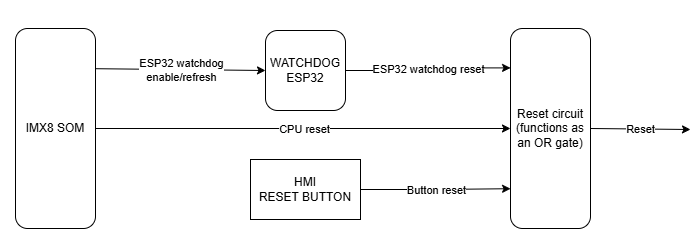
The device is equipped with a watchdog and a reset circuit.

#### Watchdog and reset circuit connections diagram  


<div drawio-diagram="1290"><img src="https://doc.redisage.com/uploads/images/drawio/2025-03/drawing-29-1742291067.png" alt=""/></div>

#### CPU connections table  


<table border="1" id="bkmrk-signal-cpu-pin-defau" style="border-collapse: collapse; width: 100%; height: 196.281px;"><colgroup><col style="width: 33.3731%;"></col><col style="width: 33.3731%;"></col><col style="width: 16.6865%;"></col><col style="width: 16.6865%;"></col></colgroup><thead><tr style="height: 35.2969px;"><td aria-sort="Brak" class="ak-renderer-tableHeader-sortable-column__wrapper align-center" style="height: 35.2969px;">**<span data-id="2392ef74-a815-432e-a3f4-72e4b167de59" data-mark-annotation-type="inlineComment" data-mark-type="annotation" data-renderer-mark="true" id="bkmrk-signal">Signal</span>**

</td><td aria-sort="Brak" class="ak-renderer-tableHeader-sortable-column__wrapper align-center" style="height: 35.2969px;">**<span data-id="2392ef74-a815-432e-a3f4-72e4b167de59" data-mark-annotation-type="inlineComment" data-mark-type="annotation" data-renderer-mark="true" id="bkmrk-default-function">Default function</span>**

</td><td aria-sort="Brak" class="ak-renderer-tableHeader-sortable-column__wrapper align-center" colspan="2" style="height: 35.2969px;">**<span data-id="2392ef74-a815-432e-a3f4-72e4b167de59" data-mark-annotation-type="inlineComment" data-mark-type="annotation" data-renderer-mark="true" id="bkmrk-user-space-name">User-space name </span><span data-id="2392ef74-a815-432e-a3f4-72e4b167de59" data-mark-annotation-type="inlineComment" data-mark-type="annotation" data-renderer-mark="true" id="bkmrk-"></span>**

</td></tr></thead><tbody><tr style="height: 35.2969px;"><td style="height: 35.2969px;">ESP32\_WDI

</td><td style="height: 35.2969px;">GPIO1\_IO01

</td><td style="height: 35.2969px;">gpiochip0 1

</td><td>ESP32\_WDI

</td></tr><tr style="height: 35.2969px;"><td style="height: 35.2969px;">SOM\_GLOB\_NRST

</td><td style="height: 35.2969px;">GPIO5\_IO02

</td><td style="height: 35.2969px;">gpiochip4 2

</td><td>GLOBAL\_NRST

</td></tr><tr style="height: 30.7969px;"><td style="height: 30.7969px;">GPIO0

</td><td style="height: 30.7969px;">GPIO3\_IO22

</td><td style="height: 30.7969px;">gpiochip2 22

</td><td>ESP\_GPIO0

</td></tr><tr style="height: 29.7969px;"><td style="height: 29.7969px;">GPIO2

</td><td style="height: 29.7969px;">GPIO3\_IO20

</td><td style="height: 29.7969px;">gpiochip2 20

</td><td>ESP\_GPIO2

</td></tr><tr style="height: 29.7969px;"><td style="height: 29.7969px;">ESP\_CHIP\_PU

</td><td style="height: 29.7969px;">GPIO4\_IO20

</td><td style="height: 29.7969px;">gpiochip3 20

</td><td>ESP\_CHIP\_PU

</td></tr></tbody></table>

#### ESP32 reset

The device is equipped with an ESP32 microcontroller as a watchdog.

### EEPROM‎‎

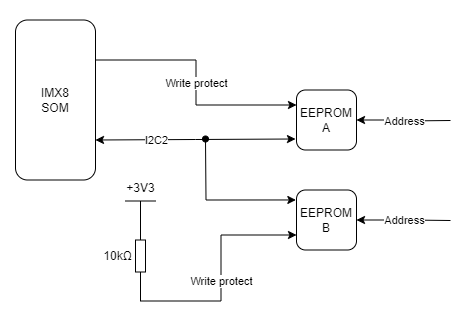
The device is equipped with 2 EEPROM memory modules. EEPROM B is read-only and reserved for the producer's purposes.

#### EEPROM device

Part number: **M24C02-RMC6**

[![625c3c1e-7881-4030-9874-e9a294456278.png](https://doc.redisage.com/uploads/images/gallery/2024-04/scaled-1680-/625c3c1e-7881-4030-9874-e9a294456278.png)](https://doc.redisage.com/uploads/images/gallery/2024-04/625c3c1e-7881-4030-9874-e9a294456278.png)

#### EEPROM A connections table  


<table border="1" id="bkmrk-eeprom-pin-descripti" style="border-collapse: collapse; width: 100%; height: 247.088px;"><colgroup><col style="width: 33.3745%;"></col><col style="width: 33.3745%;"></col><col style="width: 33.3745%;"></col></colgroup><thead><tr style="height: 35.2983px;"><td aria-sort="Brak" class="ak-renderer-tableHeader-sortable-column__wrapper align-center" style="height: 35.2983px;">**EEPROM pin**

</td><td aria-sort="Brak" class="ak-renderer-tableHeader-sortable-column__wrapper align-center" style="height: 35.2983px;">**Description**

</td><td aria-sort="Brak" class="ak-renderer-tableHeader-sortable-column__wrapper align-center" style="height: 35.2983px;">**User-space name**

</td></tr></thead><tbody><tr style="height: 35.2983px;"><td style="height: 35.2983px;">1

</td><td style="height: 35.2983px;">Address pin 0 (GND)

</td><td style="height: 35.2983px;">X

</td></tr><tr style="height: 35.2983px;"><td style="height: 35.2983px;">2

</td><td style="height: 35.2983px;">Address pin 1 (+3V3)

</td><td style="height: 35.2983px;">X

</td></tr><tr style="height: 35.2983px;"><td style="height: 35.2983px;">3

</td><td style="height: 35.2983px;">Address pin 2 (+3V3)

</td><td style="height: 35.2983px;">X

</td></tr><tr style="height: 35.2983px;"><td style="height: 35.2983px;">5

</td><td style="height: 35.2983px;">I2C2 data

</td><td style="height: 35.2983px;">X

</td></tr><tr style="height: 35.2983px;"><td style="height: 35.2983px;">6

</td><td style="height: 35.2983px;">I2C2 clock

</td><td style="height: 35.2983px;">X

</td></tr><tr style="height: 35.2983px;"><td style="height: 35.2983px;">7

</td><td style="height: 35.2983px;">EEPROM write-protect

</td><td style="height: 35.2983px;">gpiochip0 2

</td></tr></tbody></table>

#### EEPROM B (EEPROM SN) connections table

<table border="1" id="bkmrk-eeprom-pin-descripti-1" style="border-collapse: collapse; width: 100%; height: 247.088px;"><colgroup><col style="width: 33.3745%;"></col><col style="width: 33.3745%;"></col><col style="width: 33.3745%;"></col></colgroup><thead><tr style="height: 35.2983px;"><td aria-sort="Brak" class="ak-renderer-tableHeader-sortable-column__wrapper align-center" style="height: 35.2983px;">**EEPROM pin**

</td><td aria-sort="Brak" class="ak-renderer-tableHeader-sortable-column__wrapper align-center" style="height: 35.2983px;">**Description**

</td><td aria-sort="Brak" class="ak-renderer-tableHeader-sortable-column__wrapper align-center" style="height: 35.2983px;">**User-space name**

</td></tr></thead><tbody><tr style="height: 35.2983px;"><td style="height: 35.2983px;">1

</td><td style="height: 35.2983px;">Address pin 0 (GND)

</td><td style="height: 35.2983px;">X

</td></tr><tr style="height: 35.2983px;"><td style="height: 35.2983px;">2

</td><td style="height: 35.2983px;">Address pin 1 (+3V3)

</td><td style="height: 35.2983px;">X

</td></tr><tr style="height: 35.2983px;"><td style="height: 35.2983px;">3

</td><td style="height: 35.2983px;">Address pin 2 (GND)

</td><td style="height: 35.2983px;">X

</td></tr><tr style="height: 35.2983px;"><td style="height: 35.2983px;">5

</td><td style="height: 35.2983px;">I2C2 data

</td><td style="height: 35.2983px;">X

</td></tr><tr style="height: 35.2983px;"><td style="height: 35.2983px;">6

</td><td style="height: 35.2983px;">I2C2 clock

</td><td style="height: 35.2983px;">X

</td></tr><tr style="height: 35.2983px;"><td style="height: 35.2983px;">7

</td><td style="height: 35.2983px;">EEPROM write-protect (pull-up)

</td><td style="height: 35.2983px;">X

</td></tr></tbody></table>

#### EEPROM connection diagram  


<div drawio-diagram="1004"><img src="https://doc.redisage.com/uploads/images/drawio/2024-07/drawing-22-1721212396.png" alt=""/></div>

#### User-space access

EEPROM device name: **/sys/bus/nvmem/devices/1-00561** EEPROM device address: **0x56**

#### [{{@134#bkmrk-i2c3}}](https://doc.redisage.com/link/134#bkmrk-i2c3)

EEPROMs A and B are connected to the CPU with the I2C2 interface.

### FLASH

Part number: **W25Q64JVSSIQ**

[![image.png](https://doc.redisage.com/uploads/images/gallery/2024-07/scaled-1680-/image.png)](https://doc.redisage.com/uploads/images/gallery/2024-07/image.png)

#### FLASH connections table

<table border="1" id="bkmrk-flash-pin-descriptio" style="border-collapse: collapse; width: 100.123%; height: 248px;"><colgroup><col style="width: 33.3745%;"></col><col style="width: 33.3745%;"></col><col style="width: 33.3745%;"></col></colgroup><thead><tr style="height: 35.3906px;"><td aria-sort="Brak" class="ak-renderer-tableHeader-sortable-column__wrapper align-center" style="height: 35.3906px;">**FLASH pin**

</td><td aria-sort="Brak" class="ak-renderer-tableHeader-sortable-column__wrapper align-center" style="height: 35.3906px;">**Description**

</td><td aria-sort="Brak" class="ak-renderer-tableHeader-sortable-column__wrapper align-center" style="height: 35.3906px;">**User-space name**

</td></tr></thead><tbody><tr style="height: 35.3906px;"><td style="height: 35.3906px;">1

</td><td style="height: 35.3906px;">SPI1\_CS0

</td><td style="height: 35.3906px;">gpiochip2 21

</td></tr><tr style="height: 35.3906px;"><td style="height: 35.3906px;">2

</td><td style="height: 35.3906px;">SPI1\_MISO

</td><td style="height: 35.3906px;">X

</td></tr><tr style="height: 35.3906px;"><td style="height: 35.3906px;">3

</td><td style="height: 35.3906px;">SPI1\_WP

</td><td style="height: 35.3906px;">X

</td></tr><tr style="height: 35.3906px;"><td style="height: 35.3906px;">5

</td><td style="height: 35.3906px;">SPI1\_MOSI

</td><td style="height: 35.3906px;">X

</td></tr><tr style="height: 35.3906px;"><td style="height: 35.3906px;">6

</td><td style="height: 35.3906px;">SPI1\_SCLK

</td><td style="height: 35.3906px;">X

</td></tr><tr><td>7

</td><td>SPI1\_HOLD

</td><td>X

</td></tr></tbody></table>

#### FLASH connection diagram

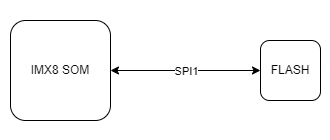
<div drawio-diagram="1005"><img src="https://doc.redisage.com/uploads/images/drawio/2024-07/drawing-22-1721212416.png" alt=""/></div>

#### User-space access

FLASH device name: **/dev/mtdblock0**

#### [{{@134#bkmrk-spi1}}](https://doc.redisage.com/link/134#bkmrk-spi1)

FLASH is connected to the CPU with the SPI1 interface.

### RTC

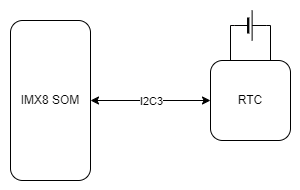
The device is equipped with a real-time clock operating at 32.768 kHz with a tolerance of 20 ppm. The RTC clock is connected to a DR2032 battery which serves as its power supply.

#### RTC device

Part number: **DS1338**

#### RTC connection diagram  


<div drawio-diagram="1006"><img src="https://doc.redisage.com/uploads/images/drawio/2024-07/drawing-22-1721212429.png" alt=""/></div>

#### User-space access

Device name: **/sys/class/rtc/rtc0** Device address: **0x68**

#### RTC connections table  


<table border="1" id="bkmrk-rtc-pin-description-" style="border-collapse: collapse; width: 100%; height: 211.79px;"><colgroup><col style="width: 50.0618%;"></col><col style="width: 50.0618%;"></col></colgroup><thead><tr style="height: 35.2983px;"><td aria-sort="Brak" class="ak-renderer-tableHeader-sortable-column__wrapper align-center" style="height: 35.2983px;">**RTC pin**

</td><td aria-sort="Brak" class="ak-renderer-tableHeader-sortable-column__wrapper align-center" style="height: 35.2983px;">**Description**

</td></tr></thead><tbody><tr style="height: 35.2983px;"><td style="height: 35.2983px;">1

</td><td style="height: 35.2983px;">Clock oscillator pin no. 1

</td></tr><tr style="height: 35.2983px;"><td style="height: 35.2983px;">2

</td><td style="height: 35.2983px;">Clock oscillator pin no. 2

</td></tr><tr style="height: 35.2983px;"><td style="height: 35.2983px;">3

</td><td style="height: 35.2983px;">Battery power pin

</td></tr><tr style="height: 35.2983px;"><td style="height: 35.2983px;">5

</td><td style="height: 35.2983px;">I2C3 data

</td></tr><tr style="height: 35.2983px;"><td style="height: 35.2983px;">6

</td><td style="height: 35.2983px;">I2C3 clock

</td></tr></tbody></table>

#### [{{@134#bkmrk-i2c4}}](https://doc.redisage.com/link/134#bkmrk-i2c4)

The real-time clock is connected to the CPU with the I2C3 interface.

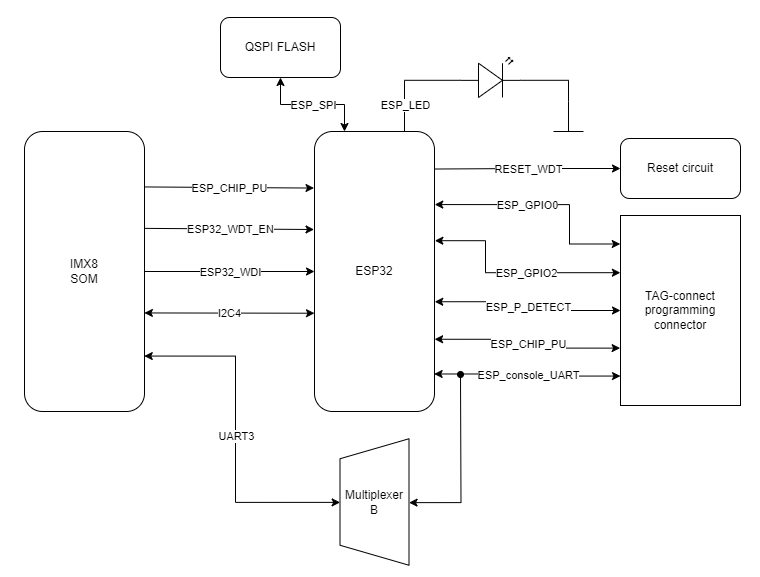
### ESP32 microcontroller

The device is equipped with an internal ESP32 microcontroller that can be used for internal purposes.

#### ESP32 device

Part number: **ESP32-DOWD**

[![a7b3a58b-200b-44dc-8468-bd39bc498805.png](https://doc.redisage.com/uploads/images/gallery/2024-04/scaled-1680-/a7b3a58b-200b-44dc-8468-bd39bc498805.png)](https://doc.redisage.com/uploads/images/gallery/2024-04/a7b3a58b-200b-44dc-8468-bd39bc498805.png)

#### ESP32 connections table  


<table border="1" id="bkmrk-esp32-pin-descriptio" style="border-collapse: collapse; width: 100%;"><colgroup><col style="width: 50.0618%;"></col><col style="width: 50.0618%;"></col></colgroup><thead><tr><td aria-sort="Brak" class="ak-renderer-tableHeader-sortable-column__wrapper align-center">**<span data-id="8b88c998-920d-4498-bd1a-f5b3dc475b14" data-mark-annotation-type="inlineComment" data-mark-type="annotation" data-renderer-mark="true" id="bkmrk-esp32-pin">ESP32 pin</span>**

</td><td aria-sort="Brak" class="ak-renderer-tableHeader-sortable-column__wrapper align-center">**<span data-id="8b88c998-920d-4498-bd1a-f5b3dc475b14" data-mark-annotation-type="inlineComment" data-mark-type="annotation" data-renderer-mark="true" id="bkmrk-description-1">Description</span>**

</td></tr></thead><tbody><tr><td>8

</td><td>ESP\_P\_DETECT

</td></tr><tr><td>9

</td><td>ESP\_CHIP\_PU

</td></tr><tr><td>14

</td><td>ESP32\_WDT\_EN

</td></tr><tr><td>15

</td><td>ESP32\_WDI

</td></tr><tr><td>22

</td><td>ESP\_GPIO2

</td></tr><tr><td>23

</td><td>ESP\_GPIO0

</td></tr><tr><td>24

</td><td>RESET\_WDT

</td></tr><tr><td>25

</td><td><span data-id="610ade10-fce1-47ed-9256-408285dad036" data-mark-annotation-type="inlineComment" data-mark-type="annotation" data-renderer-mark="true" id="bkmrk-esp32-watchdog-refre">LED\_ESP</span>

</td></tr><tr><td>26

</td><td>VDD\_SDIO

</td></tr><tr><td>28

</td><td>ESP\_SPI\_HD

</td></tr><tr><td>29

</td><td>ESP\_SPI\_WP

</td></tr><tr><td>30

</td><td>ESP\_SPI\_CS0

</td></tr><tr><td>31

</td><td>ESP\_SPI\_CLK

</td></tr><tr><td>32

</td><td>ESP\_SPI\_Q

</td></tr><tr><td>33

</td><td>ESP\_SPI\_D

</td></tr><tr><td>38

</td><td>I2C4\_SCL

</td></tr><tr><td>39

</td><td>I2C4\_SDA

</td></tr><tr><td>40

</td><td>ESP\_CONSOLE\_RX

</td></tr><tr><td>41

</td><td>ESP\_CONSOLE\_TX

</td></tr></tbody></table>

#### ESP32 connections diagram  


<div drawio-diagram="1008"><img src="https://doc.redisage.com/uploads/images/drawio/2024-07/drawing-22-1721212464.png" alt=""/></div>

#### CPU connections table  


<table border="1" id="bkmrk-signal-cpu-pin-defau-1" style="border-collapse: collapse; width: 100%; height: 145.969px;"><colgroup><col style="width: 24.9691%;"></col><col style="width: 24.9691%;"></col><col style="width: 24.9691%;"></col><col style="width: 24.9691%;"></col></colgroup><thead><tr style="height: 35.3906px;"><td aria-sort="Brak" class="ak-renderer-tableHeader-sortable-column__wrapper align-center" style="height: 35.3906px;">**Signal**

</td><td aria-sort="Brak" class="ak-renderer-tableHeader-sortable-column__wrapper align-center" style="height: 35.3906px;">**CPU pin**

</td><td aria-sort="Brak" class="ak-renderer-tableHeader-sortable-column__wrapper align-center" style="height: 35.3906px;">**Default function**

</td><td aria-sort="Brak" class="ak-renderer-tableHeader-sortable-column__wrapper align-center" style="height: 35.3906px;">**User-space name**

</td></tr></thead><tbody><tr style="height: 35.3906px;"><td style="height: 35.3906px;">ESP\_GPIO\_0

</td><td style="height: 35.3906px;">AC14</td><td style="height: 35.3906px;">GPIO3\_IO22</td><td style="height: 35.3906px;">gpiochip2 22</td></tr><tr style="height: 29.7969px;"><td style="height: 29.7969px;">ESP\_GPIO\_2</td><td style="height: 29.7969px;">AC15</td><td style="height: 29.7969px;">GPIO3\_IO20</td><td style="height: 29.7969px;">gpiochip2 20</td></tr><tr style="height: 10px;"><td style="height: 10px;">ESP32\_WDI

</td><td style="height: 10px;">AF14</td><td style="height: 10px;">GPIO1\_IO01</td><td style="height: 10px;">gpiochip0 1</td></tr><tr style="height: 35.3906px;"><td style="height: 35.3906px;">ESP32\_WDT\_EN

</td><td style="height: 35.3906px;">AF13

</td><td style="height: 35.3906px;">GPIO1\_IO03

</td><td style="height: 35.3906px;">gpiochip0 3

</td></tr></tbody></table>

#### [{{@134#bkmrk-i2c4-1}}](https://doc.redisage.com/link/134#bkmrk-i2c4-1)

The microcontroller is connected to the CPU via the I2C4 interface.

#### [{{@134#bkmrk-uart3-1}}](https://doc.redisage.com/link/134#bkmrk-uart3-1)

The microcontroller is connected to the CPU via the UART3 interface.

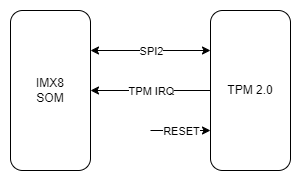
### TPM 2.0

The device is equipped with a trusted platform module in 2.0 standard.

#### TPM device

Part number: **SLM9670**

[![579d062d-a70c-4778-a1bd-8d52a8a756ff.png](https://doc.redisage.com/uploads/images/gallery/2024-04/scaled-1680-/579d062d-a70c-4778-a1bd-8d52a8a756ff.png)](https://doc.redisage.com/uploads/images/gallery/2024-04/579d062d-a70c-4778-a1bd-8d52a8a756ff.png)

#### TPM connections table  


<table border="1" id="bkmrk-tpm-pin-description-" style="border-collapse: collapse; width: 100%; height: 247.734px;"><colgroup><col style="width: 50.0618%;"></col><col style="width: 50.0618%;"></col></colgroup><thead><tr style="height: 35.3906px;"><td aria-sort="Brak" class="ak-renderer-tableHeader-sortable-column__wrapper align-center" style="height: 35.3906px;">**TPM pin**

</td><td aria-sort="Brak" class="ak-renderer-tableHeader-sortable-column__wrapper align-center" style="height: 35.3906px;">**Description**

</td></tr></thead><tbody><tr style="height: 35.3906px;"><td style="height: 35.3906px;">17

</td><td style="height: 35.3906px;">Reset

</td></tr><tr style="height: 35.3906px;"><td style="height: 35.3906px;">18

</td><td style="height: 35.3906px;">TPM\_IRQ

</td></tr><tr style="height: 35.3906px;"><td style="height: 35.3906px;">19

</td><td style="height: 35.3906px;">SPI2 clock

</td></tr><tr style="height: 35.3906px;"><td style="height: 35.3906px;">20

</td><td style="height: 35.3906px;">SPI2 chip select 0

</td></tr><tr style="height: 35.3906px;"><td style="height: 35.3906px;">21

</td><td style="height: 35.3906px;">SPI2 master out slave in

</td></tr><tr style="height: 35.3906px;"><td style="height: 35.3906px;">24

</td><td style="height: 35.3906px;">SPI2 master in slave out

</td></tr></tbody></table>

#### User-space access

Device name: **/sys/class/tpm**

#### TPM connection diagram  


<div drawio-diagram="1009"><img src="https://doc.redisage.com/uploads/images/drawio/2024-07/drawing-22-1721212496.png" alt=""/></div>

#### CPU connections table  


<table border="1" id="bkmrk-signal-cpu-pin-defau-2" style="border-collapse: collapse; width: 100%; height: 141.562px;"><colgroup><col style="width: 24.9691%;"></col><col style="width: 24.9691%;"></col><col style="width: 24.9691%;"></col><col style="width: 24.9691%;"></col></colgroup><thead><tr style="height: 35.3906px;"><td aria-sort="Brak" class="ak-renderer-tableHeader-sortable-column__wrapper align-center" style="height: 35.3906px;">**Signal**

</td><td aria-sort="Brak" class="ak-renderer-tableHeader-sortable-column__wrapper align-center" style="height: 35.3906px;">**CPU pin**

</td><td aria-sort="Brak" class="ak-renderer-tableHeader-sortable-column__wrapper align-center" style="height: 35.3906px;">**Default function**

</td><td aria-sort="Brak" class="ak-renderer-tableHeader-sortable-column__wrapper align-center" style="height: 35.3906px;">**User-space name**

</td></tr></thead><tbody><tr style="height: 35.3906px;"><td style="height: 35.3906px;">TPM\_IRQ

</td><td style="height: 35.3906px;">AC24

</td><td style="height: 35.3906px;">GPIO4\_IO23

</td><td style="height: 35.3906px;">gpiochip3 23

</td></tr><tr style="height: 35.3906px;"><td style="height: 35.3906px;">SPI2\_CS0\_TPM

</td><td style="height: 35.3906px;">A6

</td><td style="height: 35.3906px;">GPIO5\_IO13

</td><td style="height: 35.3906px;">gpiochip4 13

</td></tr></tbody></table>

#### [{{@134#bkmrk-%C2%A0}}](https://doc.redisage.com/link/134#bkmrk-%C2%A0)

The trusted platform module is connected to the CPU with the SPI2 interface.

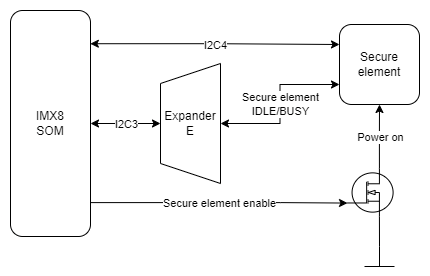
### Secure element TO136

The device is equipped with a secure element that can be used for data encoding.

#### Secure element device  


Part number: **IDEMIA TO136**

**[![0e30de29-719d-44cf-bec2-d4451bfabdb8.png](https://doc.redisage.com/uploads/images/gallery/2024-04/scaled-1680-/0e30de29-719d-44cf-bec2-d4451bfabdb8.png)](https://doc.redisage.com/uploads/images/gallery/2024-04/0e30de29-719d-44cf-bec2-d4451bfabdb8.png)**

#### Secure element connections table  


<table border="1" id="bkmrk-secure-element-pin-d" style="border-collapse: collapse; width: 100%;"><colgroup><col style="width: 50.0618%;"></col><col style="width: 50.0618%;"></col></colgroup><thead><tr><td aria-sort="Brak" class="ak-renderer-tableHeader-sortable-column__wrapper align-center">**Secure element pin**

</td><td aria-sort="Brak" class="ak-renderer-tableHeader-sortable-column__wrapper align-center">**Description**

</td></tr></thead><tbody><tr><td>1

</td><td>I2C4 clock

</td></tr><tr><td>2

</td><td>I2C4 data

</td></tr><tr><td>3

</td><td>+3V3

</td></tr><tr><td>6

</td><td>IDLE/BUSY state report

</td></tr></tbody></table>

#### User-space access

Device address: 0x50

#### Secure element connections diagram  


<div drawio-diagram="1010"><img src="https://doc.redisage.com/uploads/images/drawio/2024-07/drawing-22-1721212513.png" alt=""/></div>

#### [{{@136#bkmrk-expander-e}}](https://doc.redisage.com/link/136#bkmrk-expander-e)

The secure element is connected to the Expander E connected to the CPU via the I2C3 interface.

#### [{{@134#bkmrk-i2c4-1}}](https://doc.redisage.com/link/134#bkmrk-i2c4-1)

The secure element is connected to the CPU via the I2C4 interface.

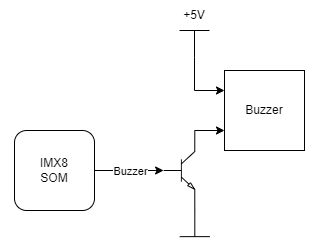
### Buzzer

The device is equipped with a buzzer.

#### Buzzer device

Part number: **LD-BZEG-0905**

#### User-space access

Device name: **gpiochip3 7** Label: **"BUZZER"**

#### Buzzer connection diagram

<div drawio-diagram="1011"><img src="https://doc.redisage.com/uploads/images/drawio/2024-07/drawing-22-1721212526.png" alt=""/></div>